
A Note on This Series
Before we dive in, I want to be clear about why I’m sharing these stories.
This blog series exists to educate, motivate, and inspire through my own lived experience.
Over decades of martial arts training, competition, and a career in law enforcement, I’ve learned what actually works, and what doesn’t. I’m not speaking from theory. I’m speaking from the mat, from the street, and from the hardest moments of my personal life.
Everything I share here is grounded in real experience.
Chapter 1:
Growing Up in Violence
Let me start with the honest truth: my childhood wasn’t the easiest.
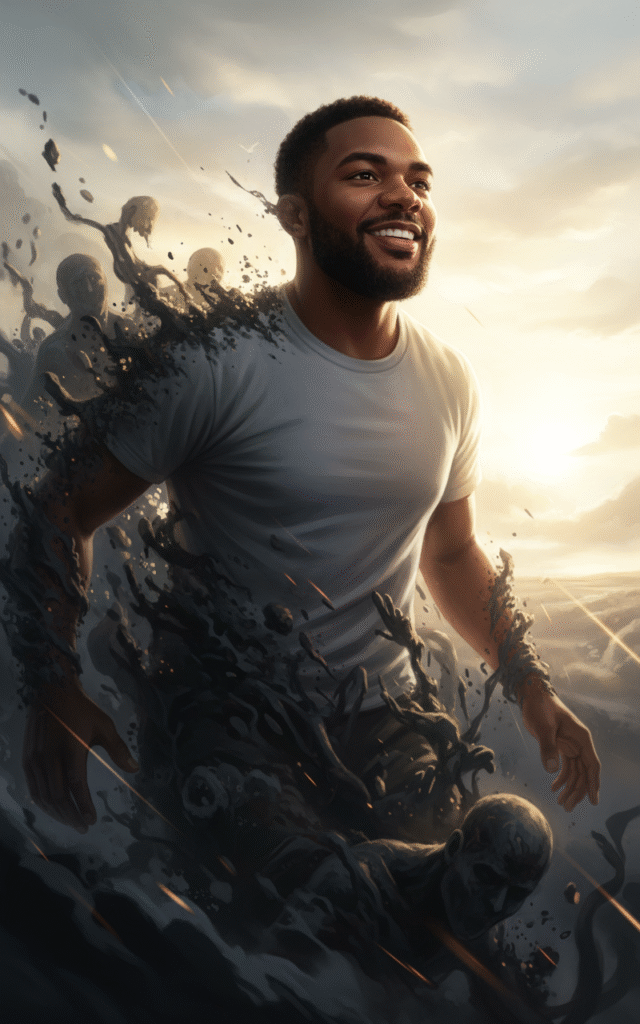
I’m the middle child of three boys, and my father, an army officer, was a hard old fashioned man. What we experienced went well beyond what anyone would call discipline. It was physical, verbal, emotional abuse. All three of us boys carried that trauma with us.
And school? That wasn’t escape either. Bullying was just part of growing up back then. Nobody called it what it was. You just dealt with it, the best you could.
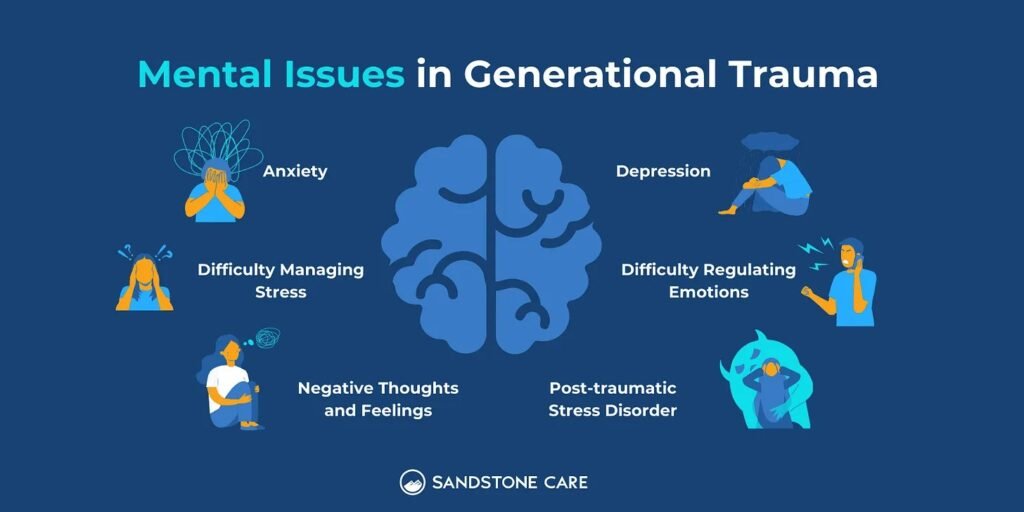
Looking back now, with decades of experience in self-defense and combat training under my belt, I understand what happened to my father. He grew up in an orphanage, abandoned, never told he was loved. The military made him harder. And that hardness came down on us. I’m not excusing it I’m just understanding it. This is important context for understanding how trauma gets passed down through families.
Here’s what I discovered through my martial arts journey: being exposed to abuse and bullying, as painful as it was, made me stronger. It made me more empathetic. And it turned out to be directly applicable to my law enforcement training and work.
I could read dangerous situations.
Stay calm under pressure.
I understood predatory behaviour because I’d lived in close quarters with it.
Trauma trained me, for better and for worse.
Chapter 2:
The Structure That Saved Me: Military Life and Martial Arts
Growing up in that military environment, I was drawn to structured discipline.
In my late teens I was drafted into the army. And that’s where I became a father, my first daughter was born while I was still serving.
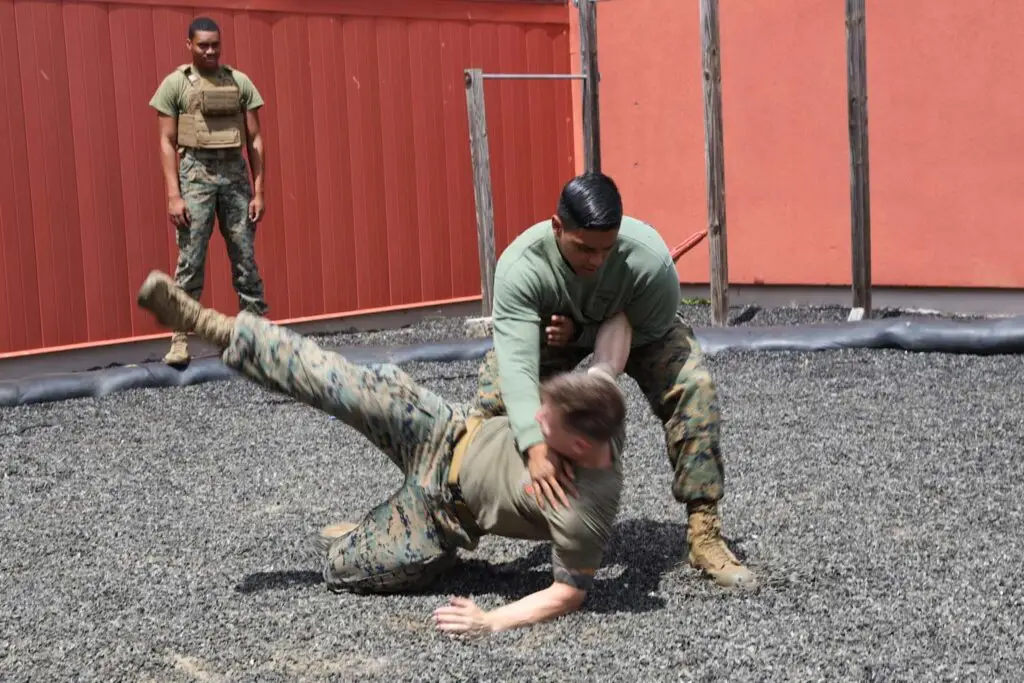
But I’d already found my lifeline: martial arts. Traditional karate gave me something my childhood didn’t: a place where strength meant something clean.
Through karate classes and martial arts training, I learned that you could be tough, powerful, and disciplined without hurting people weaker than you. Where discipline made sense because it led somewhere good.
Chapter 3:
The Moment Everything Changed
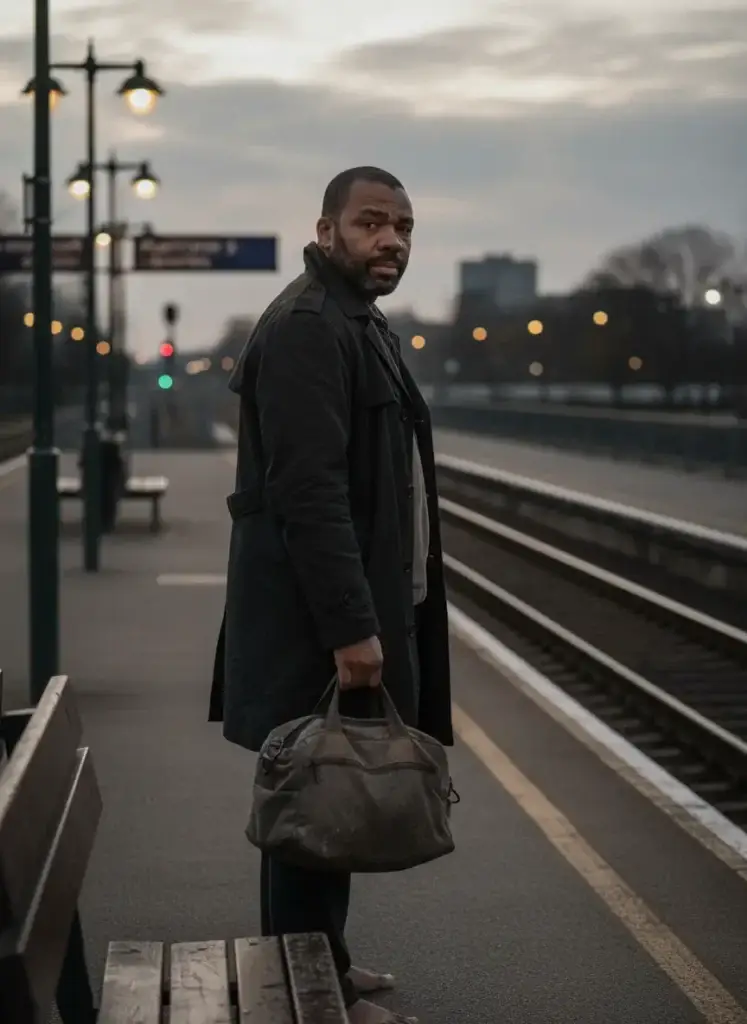
When I was 27 years old, my daughter’s mother died. I was a young father, grieving, lost.
Portugal suddenly felt unbearable. So I left. I travelled to the UK, trying to start over.
There at the age of 29, I met a beautiful Australian girl who I followed to Australia. Soon after my second daughter was born in Australia. I’d made a huge decision: leave everything I knew, and build a new life in a completely foreign country.
Those years were brutal. I was still grieving my first wife and that eventually led to a relationship break up. While an immigrant trying to make sense of a new country, a new culture, new rules. And learning to be a father to two daughters. Trying not to make the same mistakes my father did.
Chapter 4:
When Martial Arts Became Everything
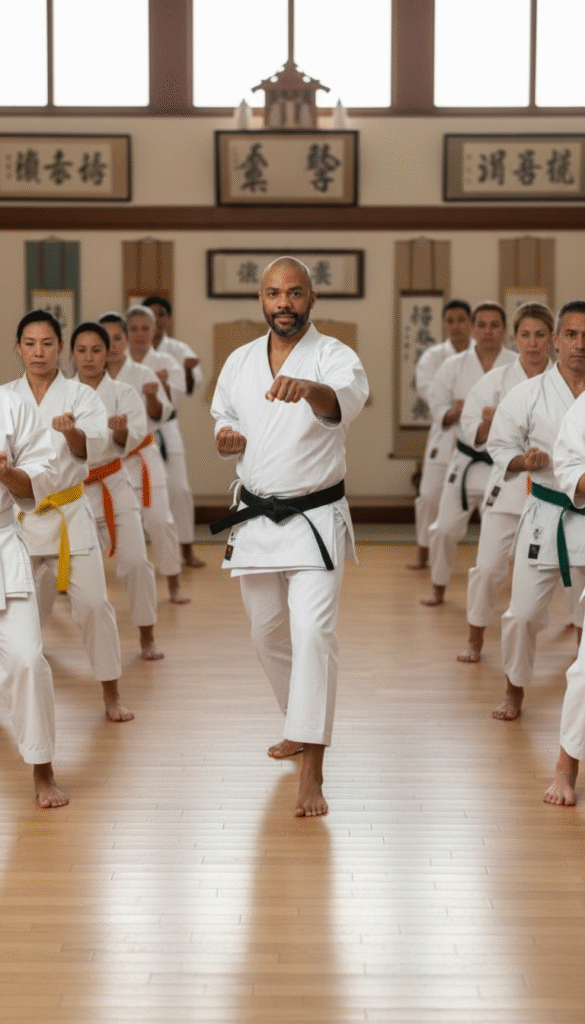
That’s when martial arts became the glue. The actual glue that kept me together.
The dojo was the one place where everything made sense.
Karate, Muay Thai, Brazilian Jiu Jitsu.
I learned that each style taught me something different, but all of them taught me the same core truth: you can transform pain into discipline. Through years of martial arts training in multiple disciplines, I discovered that self-defense techniques aren’t just physical. They rewire your nervous system. They prove that you can survive difficulty.
When grief wanted to break me, I trained. Immigration stress was suffocating me, I stepped onto the mat. When the pressure of being a single father felt impossible, I had the discipline I’d learned through martial arts to push through it.
Every time I walked into that dojo, whether for karate classes, BJJ sessions, or combat training, my nervous system learned the same lesson: you can survive difficulty. You can be strong without hurting people. You can choose to be different than what was done to you.
Chapter 5:
Breaking the Cycle
This is the part that matters most. I grew up in violence, I was trained by it. I could have become my father.
But every time that impulse came up, every time I felt that anger rising, I had something else.
I had years of martial arts training that taught me there was another way.
I had a community of people who showed me that strength doesn’t require cruelty.
And here’s what I learned from real law enforcement training and street experience: the best self-defense isn’t the flashiest technique. It’s discipline, it’s control. It’s knowing when not to fight.
This applies equally to life. The best defence against becoming your abuser is discipline.
It’s choosing, over and over again, to do something different.
I chose the dojo instead of rage. Over and over again. That choice, repeated thousands of times, is what broke the cycle.
My daughters never had to fear me the way I feared my father. They never learned that love comes with fists. They learned that when life is hard, you show up, you breathe, you push through with discipline.
Chapter 6:
Martial Arts for Mental Health: What Actually Works
People ask me sometimes: how did you manage it all? The grief, the immigration, the single parenthood, the blended family, the trauma from your childhood?
Martial arts. It was the glue.
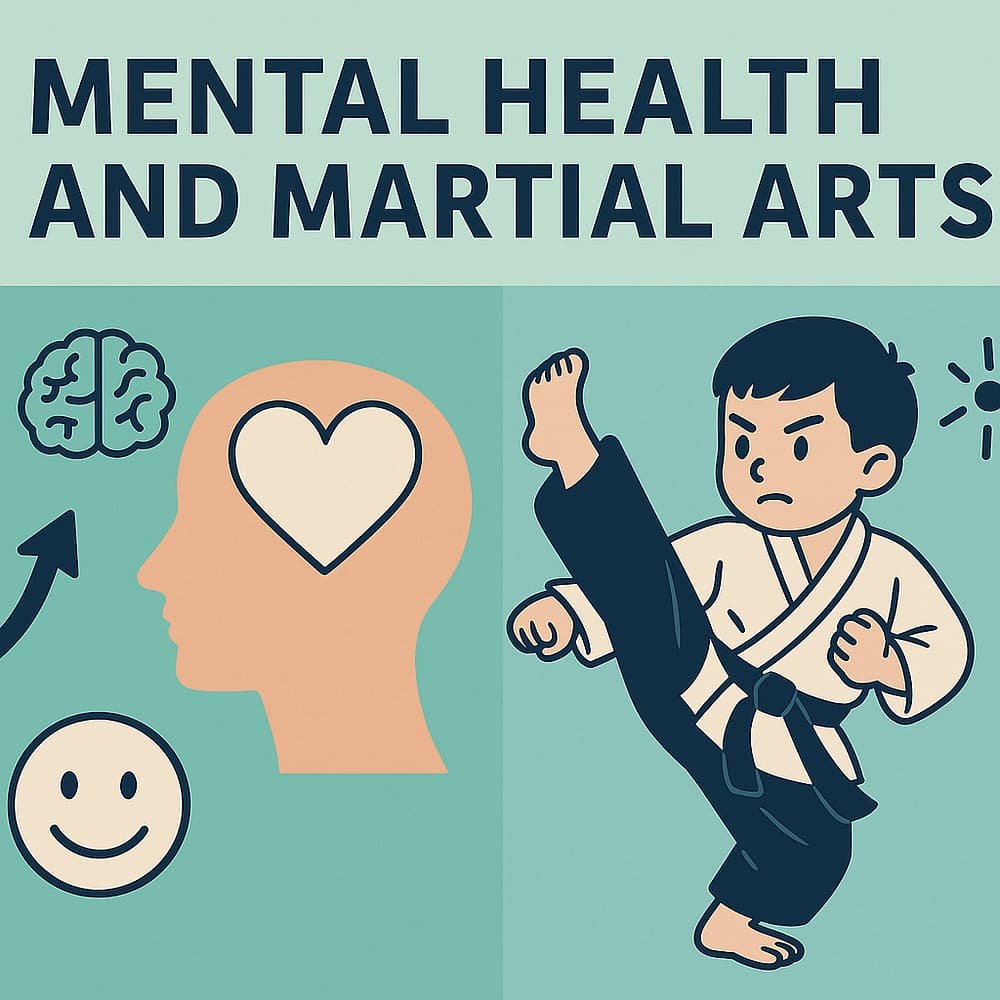
Not in a magical way. I still struggled. I still had hard days. But I had something that research now confirms: martial arts for mental health actually works. Not because it’s a cure-all, but because it rewires your nervous system through discipline, breathing, community, and controlled challenge.
Every kick, every kata, every moment of controlled difficulty reminded my body that I was safe. That I could survive, that I could be strong without being like my father, that I could create something different for my daughters.
And this is where my experience matters: I’ve seen what works and what doesn’t. Not just from training and competition, but from applying these principles in real law enforcement situations where lives were on the line. Self-defense techniques, martial arts training, discipline under pressure, these things have real application. They save lives.
Chapter 7:
What I Know Now
I spent years thinking martial arts was about fighting, then self-defence, then competition, then healing from my own losses.
But really, it was always about transformation. About taking the darkness I inherited, the abuse, the bullying, the abandonment trauma that rippled through generations and turning it into something clean. Something disciplined. Something that made me a better man and a better father.
It’s what kept me together when everything was falling apart, it’s what showed me that generational trauma doesn’t have to be a life sentence, it’s what broke a chain that goes back generations.
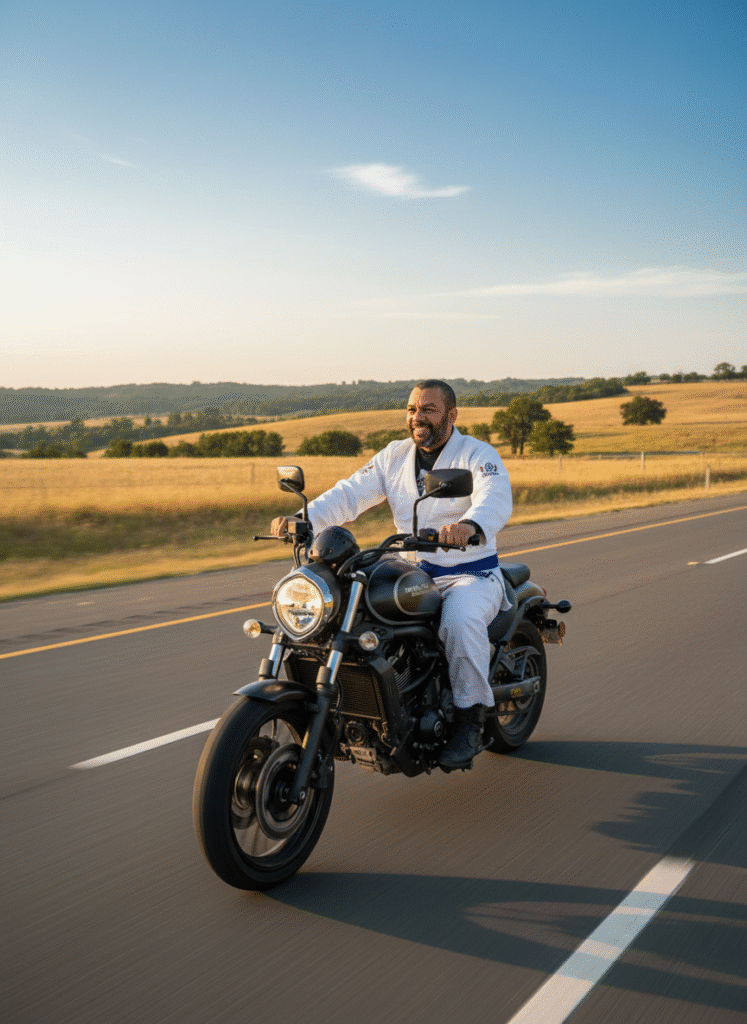
I’m still training. My daughters are grown now, and they remember. They remember that when their father was struggling, he didn’t fall apart, he got stronger. He showed up. He kept moving forward.
Chapter 8:
Why I Share This
I share this because education matters. Because people need to know that what happened to you doesn’t determine what happens next. Because martial arts whether it’s karate, Brazilian Jiu Jitsu, or any other discipline, can be a literal lifeline if you let it.
I share this because I’ve lived it., I’ve trained it, I’ve applied it in real situations, I’ve seen it work.
And I share this because somewhere out there, someone is reading this and thinking: Could this be for me? Could martial arts help me?
The answer is yes. It won’t be easy. But it will be real.
If you like this post please leave a comment and subscribe to receive new posts every week.
Leave a Reply