
Chapter 1:
The Running Away That Becomes Running Toward
Moving to Australia at 30: Why I Had to Rebuild My Life.
In early 1999, I did what broken people sometimes do: I ran. My first wife had recently died, and Portugal, beautiful, familiar, suffocating Portugal, felt like a tomb with my name carved into the stone. The European Union had given me the legal right to be a citizen anywhere on the continent. I decided to test that freedom.
I spent six months in Spain, working, travelling, trying to outrun grief by accumulating kilometres. It didn’t work. Grief is a good runner too. So, I flew to London.
This is where the story turns interesting, because London didn’t cure me, but it showed me something I had never seen before. For the first time in my life, I was not a minority. Or rather, I was a minority among thousands of other minorities, which is the same as being invisible in the best way possible. My closest friends were backpackers, travellers, immigrants, people who had also chosen to be strangers in a strange land. We would gather in local pubs and argue about politics and philosophy and whether any of us could actually change the world with our ideas.
It sounds naive now. It wasn’t. It was hope dressed up as ideology.
I had grown up feeling like an outsider in my own country. Born in Angola to mixed-race parents escaping civil war in the 1970s, I was a child of refugees from a Portuguese colony. But Portugal, the “mother country”, did not treat us like its children. We were unwelcome guests. In England, surrounded by people from everywhere and nowhere, I finally felt like I belonged.
A few years later, unexpectedly, I met an Australian girl. I fell in love again, a feeling I hadn’t experienced in a while. And because love makes fools of us all, I followed her to the other side of the world.
Chapter 2:
Landing in Melbourne
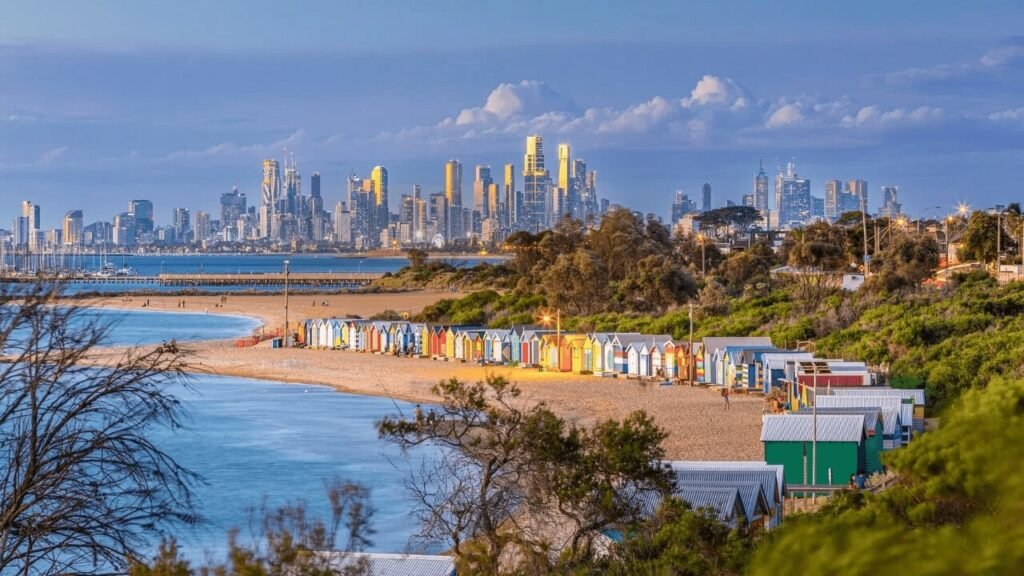
A thirty-hour flight later, I stepped out onto the tarmac in sunny Melbourne. The year was 2003, and Australia was glittering with possibility. My partner’s family were solid, welcoming people. I stayed and worked with her father who owned a restaurant in Queenscliff, regional Victoria, it was right on the water front. He cooked some of the best food I had ever eaten in my life. Sometimes I would go back to the city and stayed with my mother-in-law in Parkdale, a quiet suburb also near the beach, fifteen minutes’ walking distance.
I felt like I was living the Australian dream.
Then, I was kicked in the face with reality, my initial twelve-month visitor’s visa expired.
My second daughter had just been born and I had to go back to England and wait. The bureaucracy was Byzantine. Months turned into 2 years. By the time my visa was finally granted in late 2005, my relationship with her mother had fractured across the distance. I did try my best to rekindle, but the damage had been done and there was no turning back.
I was thirty-two years old, a single father of two daughters, one which barely knew me, arriving back in a country with no idea what the future held for us.
Chapter 3:
Starting Over From Zero, Again
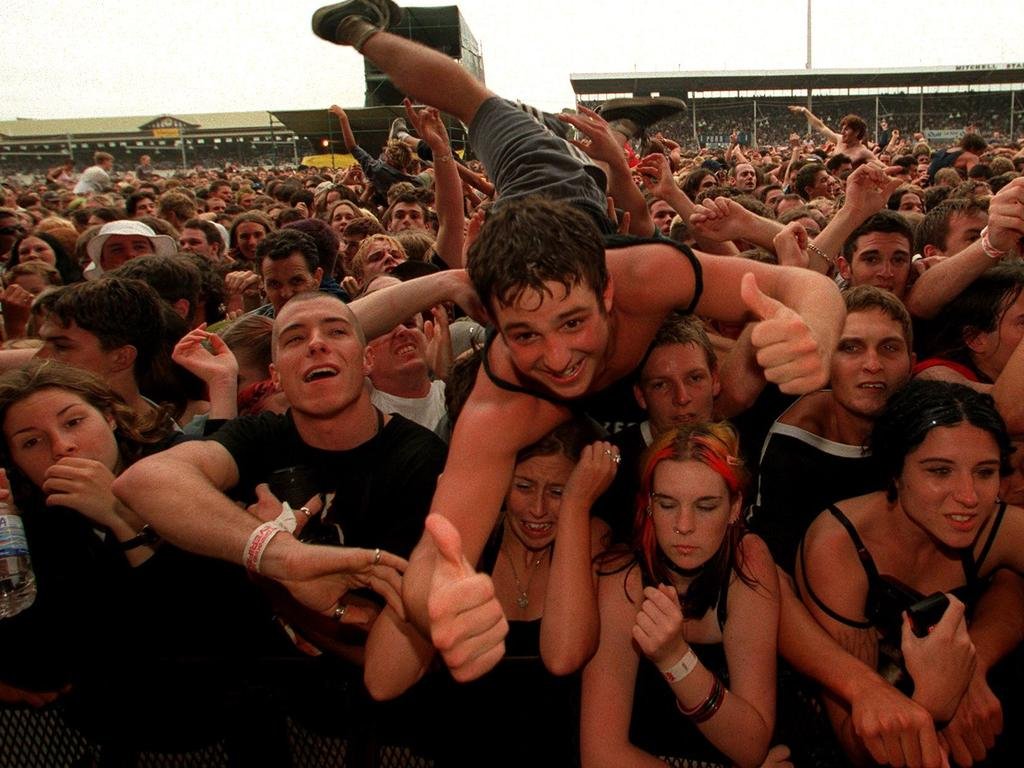
My first job was in an events agency, setting up stages in rock concerts and festivals. As a amateur musician myself and having played in Rock/Metal bands, I loved it. But I also held an electrical trade qualification from Portugal, which meant I could get a sponsorship and I did.
An engineering company sponsored me, this is where I met Davo, the legend!
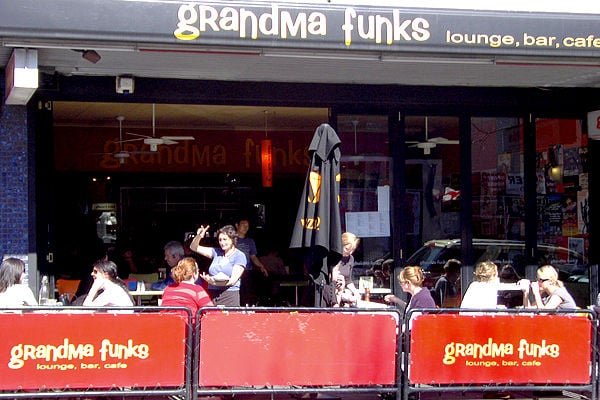
In the beginning, I had to work two jobs to make ends meet. My second gig was as a DJ, not as a disc jokey, but as a dish washer at Grandma Funks, lol, great name. It sucked having to work from dusk till dawn but I had bills to pay.
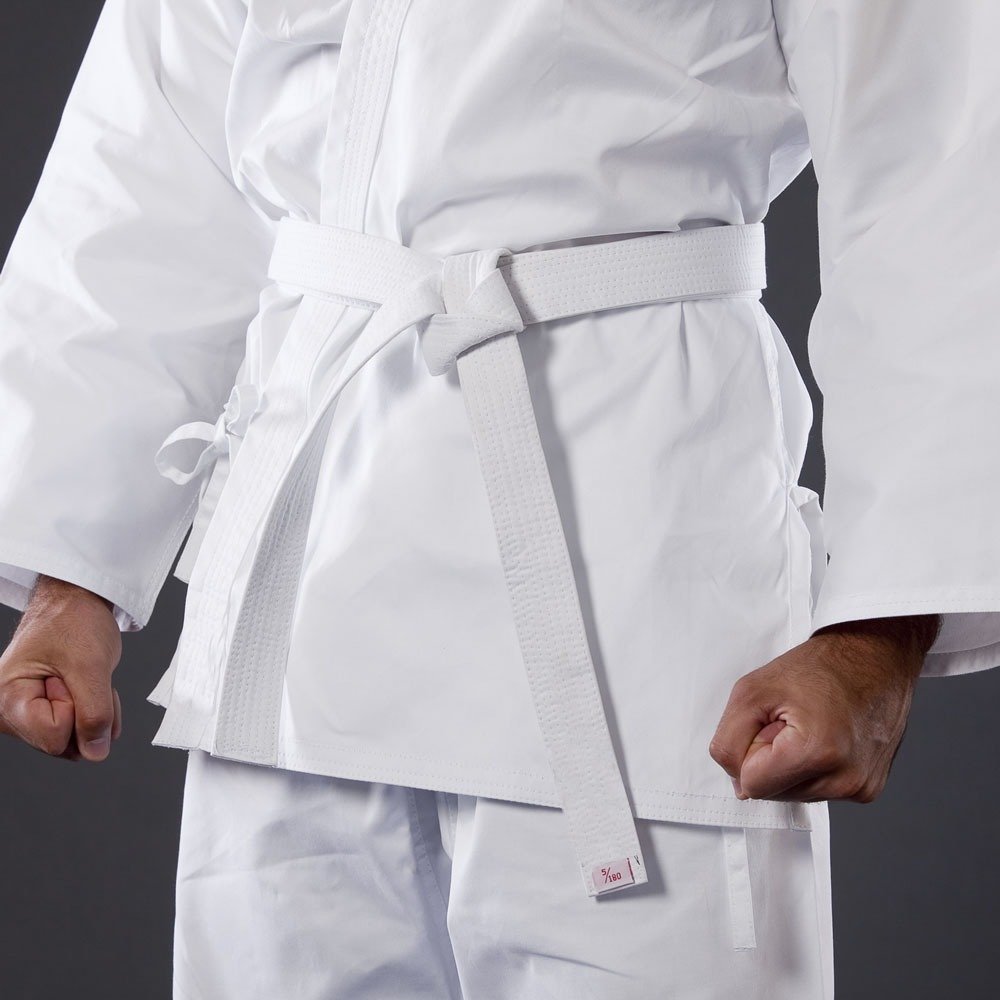
This is something immigrants don’t often talk about, maybe because it sounds ungrateful: Australia is a beautiful country, and I am genuinely grateful to be here. But the first years are brutal. There is loneliness so thick you can feel it in your chest. There is social anxiety because you’re the dude with the weird accent. There is also depression and the constant background hum of financial stress.
As an immigrant you are starting from zero, no matter how much you have already built.
There were moments—too many moments—when I couldn’t see the light at the end of the tunnel. I maxed out my credit cards and went into debt. I would lie awake at night doing the maths over and over, trying to find an equation that didn’t end in failure.
But I had two daughters and I had made them a silent promise: to be a good father and a good role model. I had to keep strong, dealing with one day at a time, tackling one problem at a time.
Chapter 4:
Finding My Way Back to the Mats
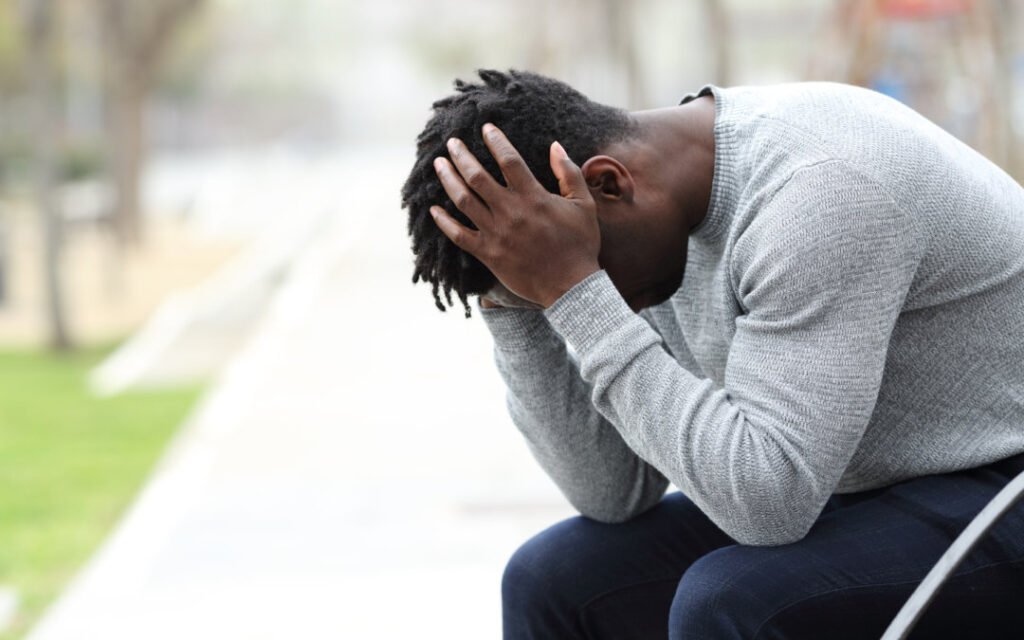
While I was juggling two jobs, parenthood and the slow, grinding reality of a life in a new country, something remained constant: martial arts. Karate, especially. It had been my anchor since my teens, and it wasn’t going to be different now.
I had to find a dojo. Quickly.
When I stepped onto the mats in Australia for the first time in years, something unexpected happened: I remembered everything. It’s true what they say about riding a bicycle. I was rusty, yes, but the foundation was still there. My hands still knew where to go. My feet still understood the movements.
I trained at several dojos before I settled at UMMA (Ultimate Mixed Martial Arts) in the eastern suburbs. I spent four years there, training in both Muay Thai classes and in a second class which was a mix of different martial arts thrown in a blender, with focus on Karate and its plethora of katas with increasing difficulty as we moved up ranks.
It was at UMMA that I had my first real encounter with Brazilian Jiu-Jitsu. I didn’t understand it at first. It looked like wrestling, like two fighters embracing each other on the ground. But I was slowly learning to trust the process, to accept that there was more than one way to win a fight.
This dojo became my second home. Not because the training was easy, it wasn’t, but because it was honest. There was no financial stress thoughts, depression or loneliness out on the mats. There was only what my body could do and what my mind would accept. There was only the focus on becoming better, learning the next technique, the next person willing to spar with me and test what I’d learned.
Chapter 5:
The Turning Point
My lowest moments came in clusters. The debt, yes. But also the loneliness of being the only person in the room who remembered what I had lost. The guilt of having to rebuild a relationship with my oldest daughter when she was old enough to understand that I had missed years of her life. The shame of having to start again in my thirties.
But I had something working in my favour, even when I couldn’t see it: I had learned discipline. The Army had taught me that. My father had taught me that, although a harsher version. Every dojo I had ever trained in had taught me that.
I also had Davo who I had met shortly after arriving in Australia. He became one of my closest friends. Not because we had everything in common, we didn’t, but because he was a solid presence in a life that felt like it was being constantly reorganised by forces beyond my control. That kind of friendship is rare. It is a lighthouse in a stormy ocean.
I remained positive. Or at least, I remained functional, which sometimes is the same thing. I trained hard, I worked harder. I fought to keep the love and respect of my daughters. Slowly, quietly, things began to shift.
Chapter 6:
Reinventing Without Erasing
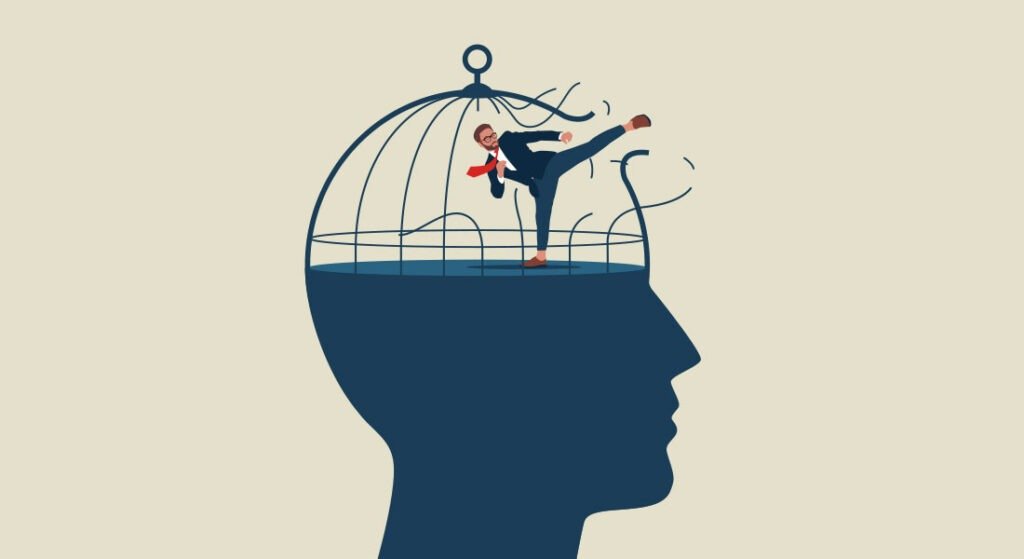
Here’s what I learned about reinvention: it’s not the same as erasure. I didn’t stop being Portuguese when I became Australian. I didn’t erase my grief or my history or my failures. I just added to it. I became something larger and more complicated, a person who carried multiple homelands in his chest.
Now I identify myself as a citizen of planet Earth, yes, it sounds like a cliché, and I don’t care. I’ve travelled enough to know that home is less about geography and more about the people around you and whether you’re willing to be yourself in front of them.
I have no preferred religion and no political allegiance, I am open minded and always willing to listen to different opinions and points of view, I find it fascinating. Our differences are what makes us human and interesting.
I’ll support Portugal at the World Cup, and Brazil too, because I’ve learned to love more than one thing.
What I am most proud of from those early years is not that I survived them. Survival is just what you do when the alternative is unacceptable. What I am proud of is that I went back to school in a foreign country in my forties. That I studied every night until late, working my trade by day and pushing my brain at night, to become a police officer. Finding a way to serve the country that gave me a second chance.
And I’m proud of my daughters, of the relationship we have now. Of the fact that they know their father is the kind of man who gets knocked down and stays down just long enough to catch his breath, then gets back up.

Chapter 7:
The White Belt Mentality
I had to let go of my pride, that was necessary, that was survival. What I fought to keep was simple: the love and respect of my daughters, and the understanding that challenges are what mould us.
I’m a mixed race man, I speak with an accent. I arrived in a country where I didn’t belong and built something anyway. I’ve competed in several martial arts styles, won some, lost some, and learned from every experience. I’ve been broken and rebuilt using the only tools I had: discipline, martial arts, and the stubborn refusal to be erased.
I have been a refugee child. A grieving young man. A separated father. An immigrant with maxed-out credit cards. An electrician. A cop. In each of those lives, I was a white belt. Not knowing what came next. Trusting the process.
Jiu Jitsu has been my next challenge, and I am loving every moment of it. I have accepted that a white belt is not the bottom of the ladder. A white belt is someone who has decided that learning is more important than ego.
The next challenge is already waiting. And the one after that. And I am ready for them all, because I have learned the most important lesson of my life: that reinvention is not weakness. It is the strongest thing a person can do. It is the white belt mentality—the willingness to start from nothing, again and again, and trust that you will learn.
So I walk onto the mats. I bow. I begin.
And life becomes worth living.