
First Contact:
UMMA Days
My first real brush with Brazilian Jiu-Jitsu came at Ultimate Mixed Martial Arts in Heathmont, where the main syllabus was old-school Goju Ryu Karate with plenty of kata to keep you honest and your knees aching. There was also a sprinkle of Judo, Wrestling, Boxing and something labelled “Self Defence”, and BJJ floated around more as a talking point than an actual class.?
Back then, around 2007, Brazilian Jiu-Jitsu still felt foreign in suburban Australia, and proper black belts were rare. The message from the instructors was clear: it was too technical to tack onto an already crowded timetable and needed its own dedicated training if you were serious. Our coach was a blue belt – the second adult rank in BJJ – which meant he had solid fundamentals and hundreds of hours of mat time, but to my mind then it still sounded like “knows enough to be dangerous, mostly to himself.”?
That attitude did not age well. These days it is obvious that even a switched-on white belt with a couple of stripes and decent takedown awareness can comfortably handle a traditional striker who has never drilled defending clinches, double-legs or trips. Time on the mats, learning how to control and escape positions, changes everything about what “realistic” fighting looks like.
The Immigrant’s Fortress: Defending Familiar Ground and Lessons in Humility
Here is the thing about being an immigrant: you build fortresses. You find the styles, rhythms and rituals that feel like home and you defend them as if your identity depends on it. Stand-up fighting was my fortress. On my feet, I felt sharp, efficient, even dangerous, armed with the kicks learned from grainy Jean-Claude Van Damme tapes and the stance my first sensei drilled into me for years. The ground, by contrast, looked like chaos – like pointless rolling around, like surrendering before the “real” fight had even started.?
Layered on top of that was a stubborn belief that only black belts could teach properly, that anyone below that rank was still guessing. In my head, black belts had earned their wisdom; everyone else was just rehearsing. Looking back, that was pure ego dressed up as respect: an immigrant’s mistake of confusing rigid hierarchy with real knowledge and mistaking gatekeeping for integrity. It took years on the mat to see that humility is not a weakness in martial arts; it is the foundation of any honest practice.?
The Humbling Reality: When Your Fortress Crumbles
Nearly five years with UMA led me to Kyokushin, and it wasn’t until 2013 that I started sneaking looks over the grappling fence. I dipped my toes in and tried a handful of BJJ schools, including the then renown CIA Paulista HQ in Melbourne’s CBD. Carlos, one of the very few black belts around at the time, is a legend a great coach and a Brazilian who spoke my native language. But the long commute, my own ego and fear won that battle.
The consensus after every single BJJ gym visit was crystal clear: I was rubbish at grappling!
I thought I was great! Fit, strong, a “capable and accomplished martial artist” (as I’d tell anyone who’d listen). My class warm-ups involved hundreds of push-ups, squats, and crunches. My muscles were trained to intimidate. None of that mattered on the BJJ tatami.
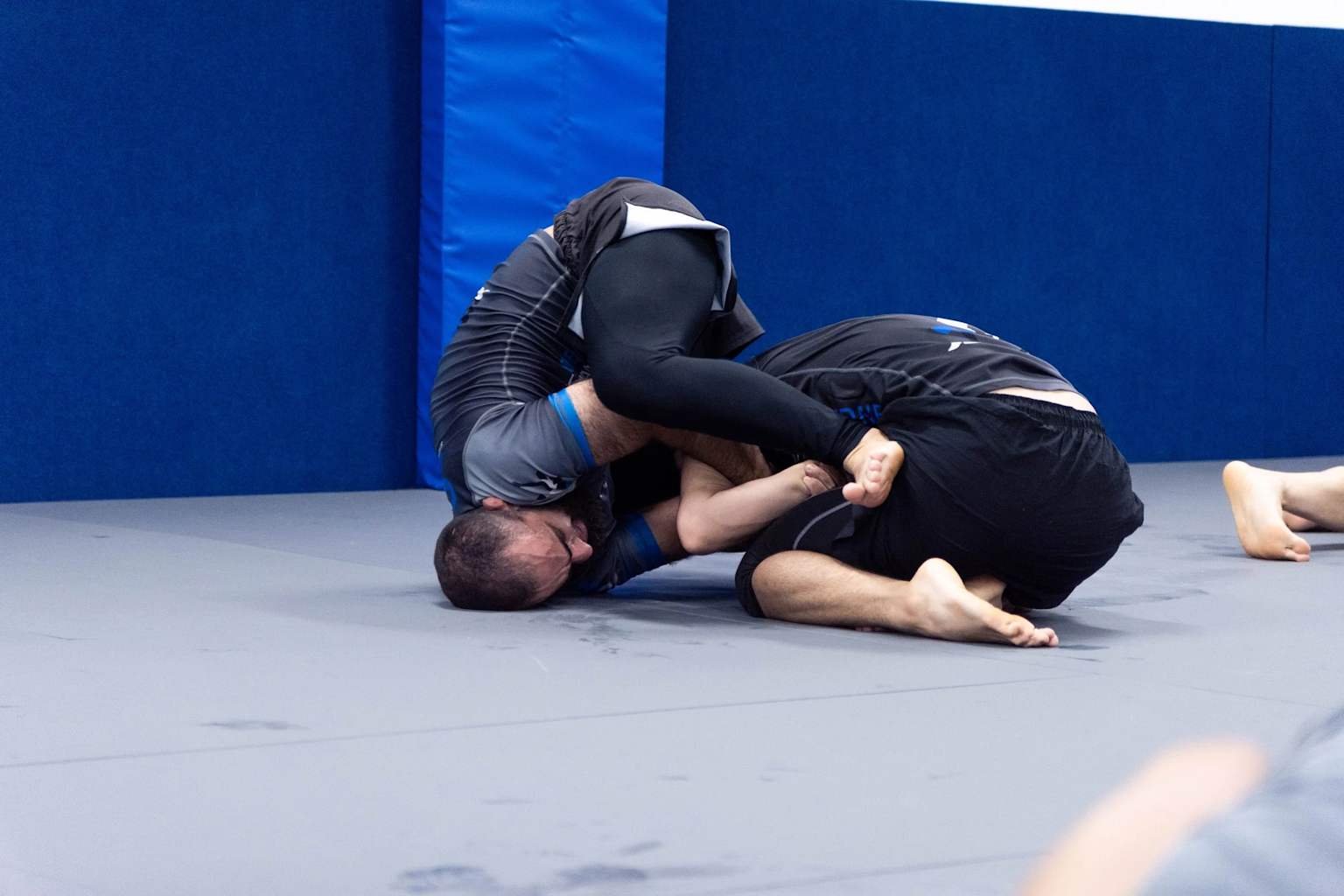
Here’s the philosophical joke the universe plays: all your strength means nothing when someone understands leverage (take note of this concept). All your years of standing practice disappear the moment you’re horizontal and confused. I got consistently humbled, tapped out by armbars and collar chokes, wondering how my arms could bend in directions I didn’t know existed. And each time, this quiet voice inside said: You don’t know what you don’t know. And that’s actually okay.
But for an immigrant who’d built his identity on competence and self-reliance, that voice was unwelcome.
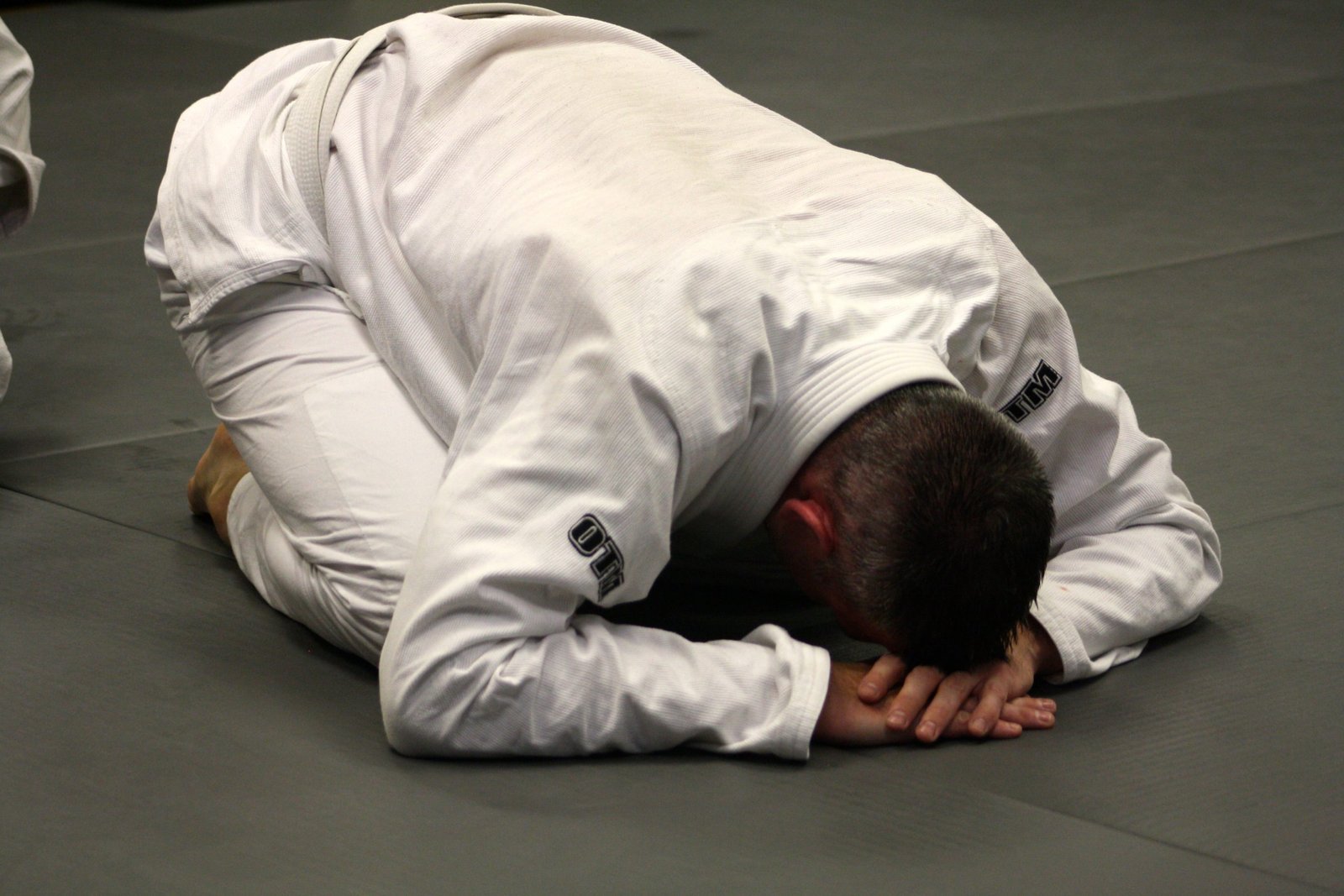
The Excuse Factory: A Three-to-Six-Month Cycle
What is happening? Honestly, that question looped in my head constantly after every training session. Here I was, a capable striker, very fit, respected in stand-up circles and yet I kept getting demolished by people half my age who’d only been training BJJ for less than two years.
So I became a master excuse-maker. Oscar-worthy material, really. The school wasn’t right. The instructor was questionable. The training partners were too aggressive. My age (turning 40!) surely had something to do with it. The mats were too thin. The humidity in Melbourne. The phase of the moon. There was always a reason, never my fault, obviously. This is the immigrant’s second trick: we’re brilliant at explaining why failure is circumstantial, never personal.
The pattern became almost poetic in its predictability: show up with confidence, get demolished, suffer a hip flexor injury or a shoulder that suddenly remembers it’s mortal, take three to six months off while the excuse ferments, rinse and repeat. Each break got longer. Each return got harder. And each time, I’d retreat to my comfort zone: solid stand-up, spinning kicks that would impress my mates’ mums, strong striking defence. Fortress rebuilt, buttressed with new excuses, armed with fresh rationalizations.
The real kicker? Deep down, I knew I was lying to myself. And that’s the worst kind of defeat, not losing on the mats, but losing to your own cowardice while pretending it’s wisdom.
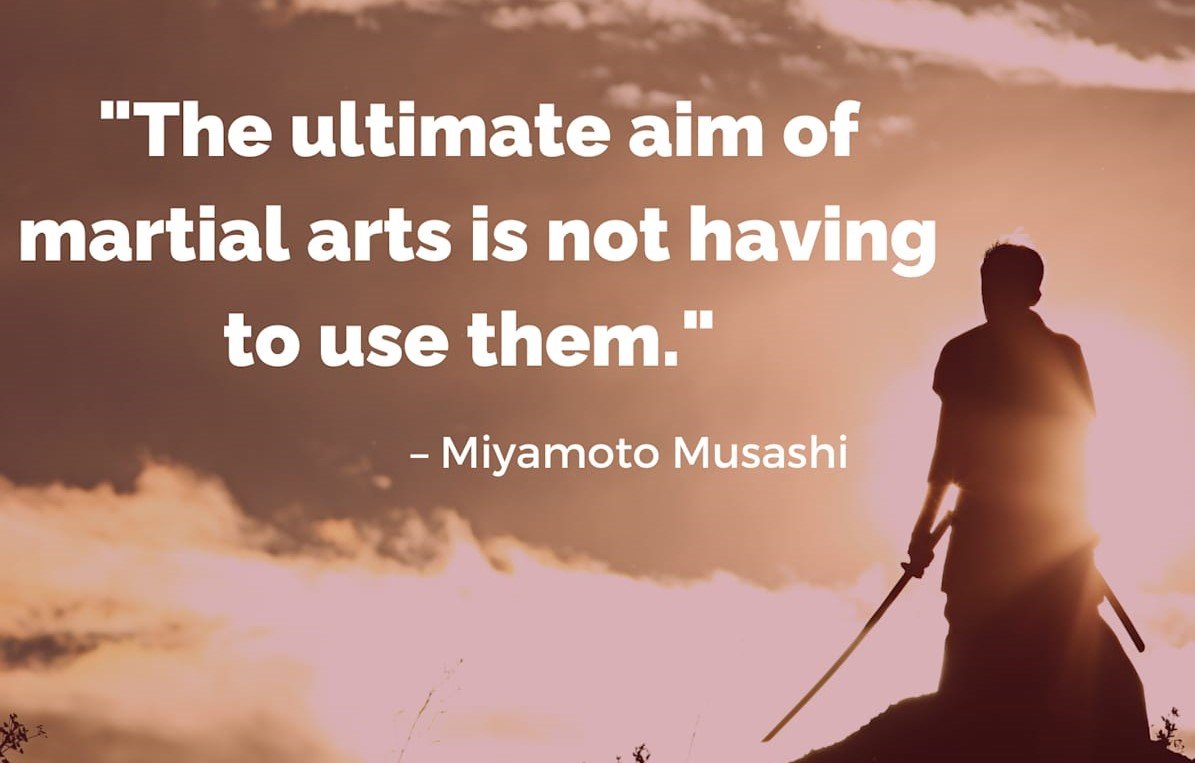
The Persistent Voice: When the Fortress Starts Cracking
But deep down, the BJJ voice never stopped calling. Even while telling myself I was a “complete” martial artist, the mats quietly disagreed. There was this nagging feeling, this unfinished business. Philosophers talk about the “self” being fixed and stable. Martial arts teach you it’s not.
Here’s where philosophy meets immigrant experience: both are about becoming. You come from somewhere, but you’re also always arriving somewhere else. You think you’re “done”: done learning, done growing, done being humbled. But the mats, like life, keep insisting you’re not.
Maybe it’s stubbornness. Maybe it’s the ironic beauty of martial arts: no matter how many times you get tapped out, smashed, or folded into origami, there’s always another round. There’s always something you didn’t see coming. There’s always a better way. And that’s actually liberating if you let it be. For an immigrant, this should feel familiar; the constant recalibration, the endless adaptation, the willingness to start again.
The martial arts cliché is “you must learn to lose before you can win.” The immigrant version is: “You must learn to lose everything before you understand what matters.”
The Eternal Return
If BJJ teaches anything, it’s that humility is best served in tap-outs. And fair play, I’ve collected a decent pile of those over the years. But more importantly, I’ve learned that the fortress I built wasn’t protection, it was a prison. And the enemy wasn’t the mats or the younger grapplers or my age. It was the part of me that believed competence and worth were the same thing.
The journey continues, one embarrassing roll at a time. And I’m learning, finally, that being a beginner at 40 was not a failure. It was a choice. And choosing to start again, to be humbled again, to not know again that’s the real martial art.
I am 52 now, and I have happily adopted a white belt mentality: staying inquisitive and always looking forward to learning new things.
To be continued….